

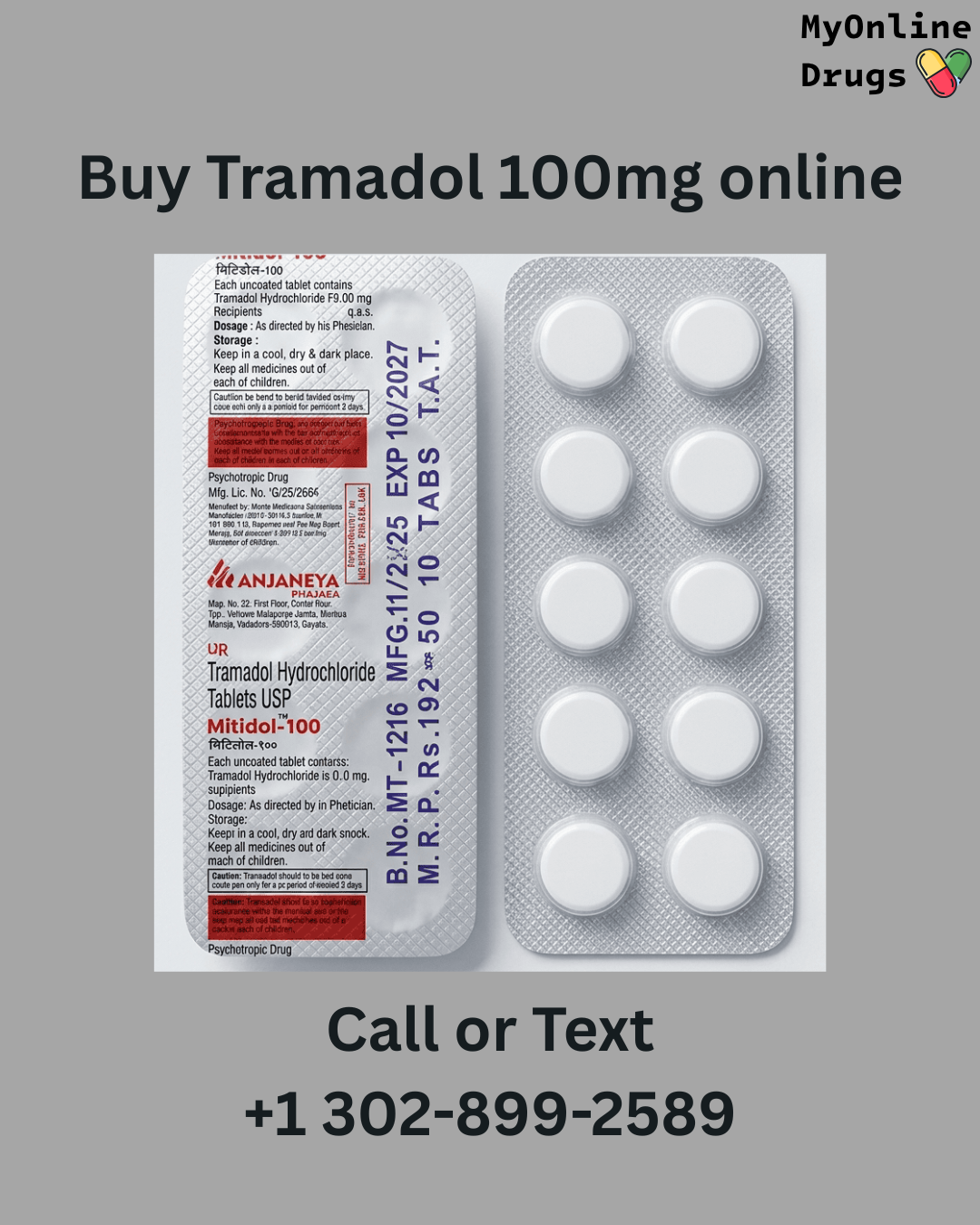
Tramadol 100mg (Mitidol)
- CATEGORY: Pain Relief
- STATUS: In Stock
| Pills | Price | Action |
|---|---|---|
| 90 Pills | $360 | |
| 180 Pills | $500 |
Introduction
Tramadol is a prescription pain-relief medicine used to treat moderate to moderately severe pain. It belongs to a class of medicines known as opioid analgesics. It works by changing how your brain and nervous system respond to pain, helping you feel more comfortable.
Tramadol may be taken with or without food. It should be used strictly as prescribed by your doctor. Do not take more than the recommended dose or use it for longer than advised, as it can lead to dependence or serious side effects.
Uses
- Treatment of moderate to severe pain
- Post-surgical pain relief
- Chronic pain management (as advised by a doctor)
Advantages
In Pain Relief
Tramadol helps relieve pain by acting on the central nervous system. It reduces the intensity of pain signals sent to the brain, making it easier to perform daily activities. It is commonly used when other painkillers are not effective enough.
Side Effects
Most side effects are mild and go away as your body adjusts. Consult your doctor if they persist or worsen.
Common side effects of Tramadol:
- Nausea
- Dizziness
- Constipation
- Headache
- Drowsiness
- Vomiting
- Dry mouth
How to Use?
Take this medicine exactly as prescribed by your doctor. Swallow it whole with water. Do not crush or chew (especially extended-release forms). Taking it at the same time each day can help maintain consistent pain control.
How it Works?
Tramadol works by binding to opioid receptors in the brain and also affects certain neurotransmitters (serotonin and norepinephrine). This dual action helps reduce the sensation of pain and improves pain tolerance.
Safety Advice
Alcohol – Avoid alcohol while taking Tramadol, as it can increase the risk of serious side effects like severe drowsiness and breathing problems.
Pregnancy – Tramadol may not be safe during pregnancy. It should only be used if prescribed by a doctor.
Breastfeeding – Tramadol can pass into breast milk and may harm the baby. Consult your doctor before use.
Driving – It may cause dizziness, drowsiness, or blurred vision. Do not drive or operate machinery until you know how it affects you.
Kidney – Use with caution in patients with kidney disease. Dose adjustment may be required.
Liver – Use carefully in patients with liver disease. Dose adjustment may be needed.
What if You Miss a Dose?
If you miss a dose, take it as soon as you remember. If it is close to your next scheduled dose, skip the missed one. Do not take a double dose.
Tips
- Take only as prescribed to avoid dependence or misuse.
- Do not stop suddenly if used for a long time; your doctor may reduce the dose gradually.
- Avoid alcohol and other sedative medicines.
- Drink plenty of fluids and eat fiber-rich foods to prevent constipation.
- Inform your doctor if you have a history of seizures or substance abuse.
- Seek immediate medical help if you experience breathing difficulty, severe drowsiness, or confusion.
People Also Buy
Customer Reviews
No reviews yet. Be the first to review this product.