

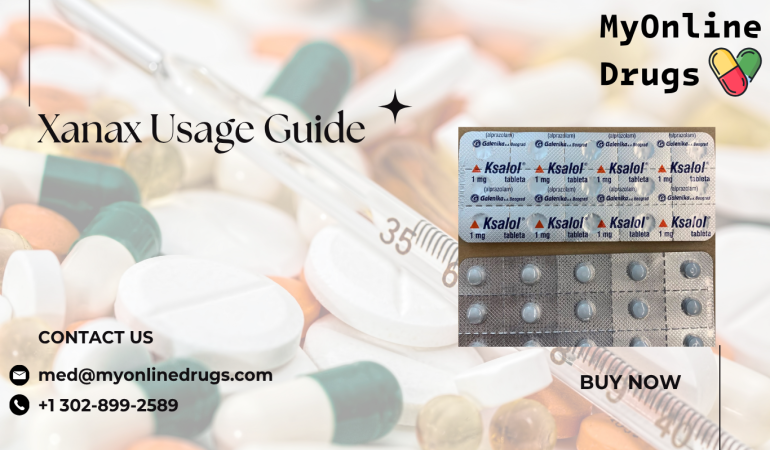
Xanax Usage Guide
Xanax is a prescription medication commonly used to treat certain anxiety disorders and panic disorders. Its active ingredient, alprazolam, belongs to a class of medications known as benzodiazepines. By acting on the central nervous system, Xanax helps reduce excessive nervous system activity and can provide short-term relief from anxiety symptoms.
Understanding how Xanax works, when it may be prescribed, and what precautions are necessary can help patients make informed decisions about their mental health treatment.
What Is Xanax?
Xanax is the brand name for alprazolam, a medication prescribed primarily for generalized anxiety disorder and panic disorder. It affects gamma-aminobutyric acid (GABA), a neurotransmitter that helps regulate brain activity and promotes a calming effect.
Doctors may prescribe Xanax when anxiety or panic symptoms significantly interfere with everyday activities. Because it can cause dependence and withdrawal, treatment requires medical supervision.
What Is Xanax Used For?
Xanax may be prescribed for specific anxiety-related conditions, including:
Anxiety disorders: Helps relieve excessive worry, nervousness, and associated physical symptoms.
Panic disorder: May reduce the frequency or severity of panic symptoms when used as prescribed.
Short-term anxiety management: In selected cases, a healthcare professional may recommend it for limited periods while developing a longer-term treatment plan.
Xanax is not suitable for everyone. A healthcare professional should evaluate a person's symptoms, medical history, current medications, and potential risks before prescribing it.
How Does Xanax Work?
Xanax enhances the effects of GABA, a naturally occurring chemical messenger in the brain. GABA reduces excessive nerve activity, helping produce a calming effect.
The medication is relatively fast-acting, although the timing and duration of its effects vary between individuals. It may help reduce feelings of anxiety, agitation, and panic, but it does not necessarily address the underlying causes of an anxiety disorder.
Potential Benefits of Xanax
When appropriately prescribed and monitored, Xanax may offer several benefits:
- Relief from certain acute anxiety symptoms.
- Reduction in the severity of panic symptoms.
- Relatively rapid onset of action compared with some longer-term anxiety treatments.
- Temporary symptom management as part of a broader treatment plan.
The benefits must be weighed against potential risks, particularly when treatment continues for an extended period.
Possible Side Effects of Xanax
Like other prescription medications, Xanax can cause side effects. Common side effects include:
- Drowsiness and fatigue
- Dizziness or lightheadedness
- Problems with coordination
- Memory or concentration difficulties
- Slurred speech
- Changes in appetite
Some side effects may become more noticeable when treatment begins or when the dose changes. Patients should contact their healthcare professional if side effects are persistent or concerning.
Serious Risks and Warnings
Xanax can cause physical dependence, misuse, and addiction. Combining it with alcohol, opioids, or other medications that slow the central nervous system can cause dangerous sedation, slowed breathing, coma, or death.
Seek emergency medical attention if someone taking Xanax experiences severe difficulty breathing, extreme sleepiness, or becomes difficult to wake.
Is Xanax Addictive?
Xanax carries a risk of misuse, addiction, and physical dependence. Dependence can develop even when a person takes the medication according to a prescription.
Stopping Xanax suddenly after regular use can cause withdrawal symptoms, including anxiety, insomnia, tremors, and, in severe cases, life-threatening seizures.
For this reason, patients should never abruptly discontinue regular Xanax treatment without medical guidance. A healthcare professional can develop an individualized tapering plan when discontinuation is appropriate.
Xanax and Other Anxiety Treatments
Xanax is one of several options used in anxiety treatment. Depending on the diagnosis and individual circumstances, other approaches may include:
Psychotherapy: Cognitive behavioral therapy (CBT) can help people recognize and manage anxiety-related thoughts and behaviors.
Antidepressant medications: Certain SSRIs and SNRIs are commonly used for longer-term anxiety management.
Lifestyle strategies: Regular exercise, consistent sleep, relaxation techniques, and reduced caffeine intake may help manage symptoms.
The most appropriate treatment depends on the person's condition, medical history, preferences, and response to previous treatments.
Important Safety Precautions
Before taking Xanax, patients should discuss the following with their healthcare professional:
- Existing medical conditions, especially breathing problems, liver disease, or a history of substance use disorders.
- All prescription medications, over-the-counter medicines, and supplements they use.
- Pregnancy, plans for pregnancy, or breastfeeding.
- The risks of driving or operating machinery while experiencing drowsiness or impaired coordination.
- The potential for dependence and the importance of following the prescribed treatment plan.
Xanax should only be used by the person for whom it was prescribed. Never share the medication with someone else or take more than the prescribed amount.
Frequently Asked Questions About Xanax
How quickly does Xanax work?
Xanax generally begins to have noticeable effects within about an hour, although individual experiences vary. Its effects depend on several factors, including metabolism, dose, and other medications.
How long do the effects of Xanax last?
The noticeable calming or sedating effects may last several hours, but the medication can remain in the body longer. Do not assume that feeling alert means the medication has completely left your system.
Can Xanax be taken every day?
Daily use may be prescribed in certain circumstances, but it requires careful medical supervision because tolerance and physical dependence can develop. Patients should follow their prescribed instructions and discuss concerns with their healthcare professional.
Can Xanax be combined with alcohol?
No. Alcohol can intensify Xanax's sedating effects and increase the risk of dangerous breathing problems, loss of consciousness, and death.
What should I do if I want to stop taking Xanax?
Contact your prescribing healthcare professional before making changes. If you have been taking it regularly, stopping suddenly can cause serious withdrawal symptoms. A supervised taper may be necessary.
Conclusion
Xanax (alprazolam) can help manage certain anxiety and panic disorders when prescribed appropriately. However, its potential for sedation, dependence, withdrawal, and dangerous drug interactions makes responsible use essential.
People experiencing persistent anxiety should consult a qualified healthcare professional to discuss the full range of treatment options. With an individualized treatment plan, appropriate monitoring, and access to psychological support, many people can find effective ways to manage anxiety and improve their quality of life.
Medical disclaimer
This article is for educational purposes only and is not a substitute for professional medical advice, diagnosis, or treatment. Always consult a qualified healthcare professional regarding prescription medications and individual health concerns.